
Riley Gold
Riley Gold is a Ph.D. student in Cinema and Media Studies. He is additionally enrolled in the Visual Studies and Science and Technology Studies graduate certificate programs. His research concerns how automation became a thinkable solution to environmental crises in America.

Raymond Kyooyung Ra
Raymond Kyooyung Ra is a 5th year Ph.D. candidate at the Division of Cinema and Media Studies, University of Southern California. His research interests are centered on media studies, performance studies, feminist and queer theory, Korean cultural studies, and global Blackness studies. Ray’s doctoral dissertation studies the dance performance genre ‘waacking’ that originated from the 1970s Los Angeles underground gay disco scene and made transpacific crossings to South Korea in the context of post-WWII geopolitics and media infrastructures. Ray’s work has been published in Communication, Culture & Critique; International Journal of Korean History; and Performance Art Museum. Since 2012, Ray has accumulated experience as a media professional in the South Korean television and digital media industry, and this includes his time with companies such as the Seoul Broadcasting System (SBS) and The Korea Herald. He is also a dance and performance practitioner, having hosted international workshops in Asia and Europe as well as worked with local institutions and communities based in Los Angeles, such as CultureHub, One Institute, and Whacking Los Angeles.
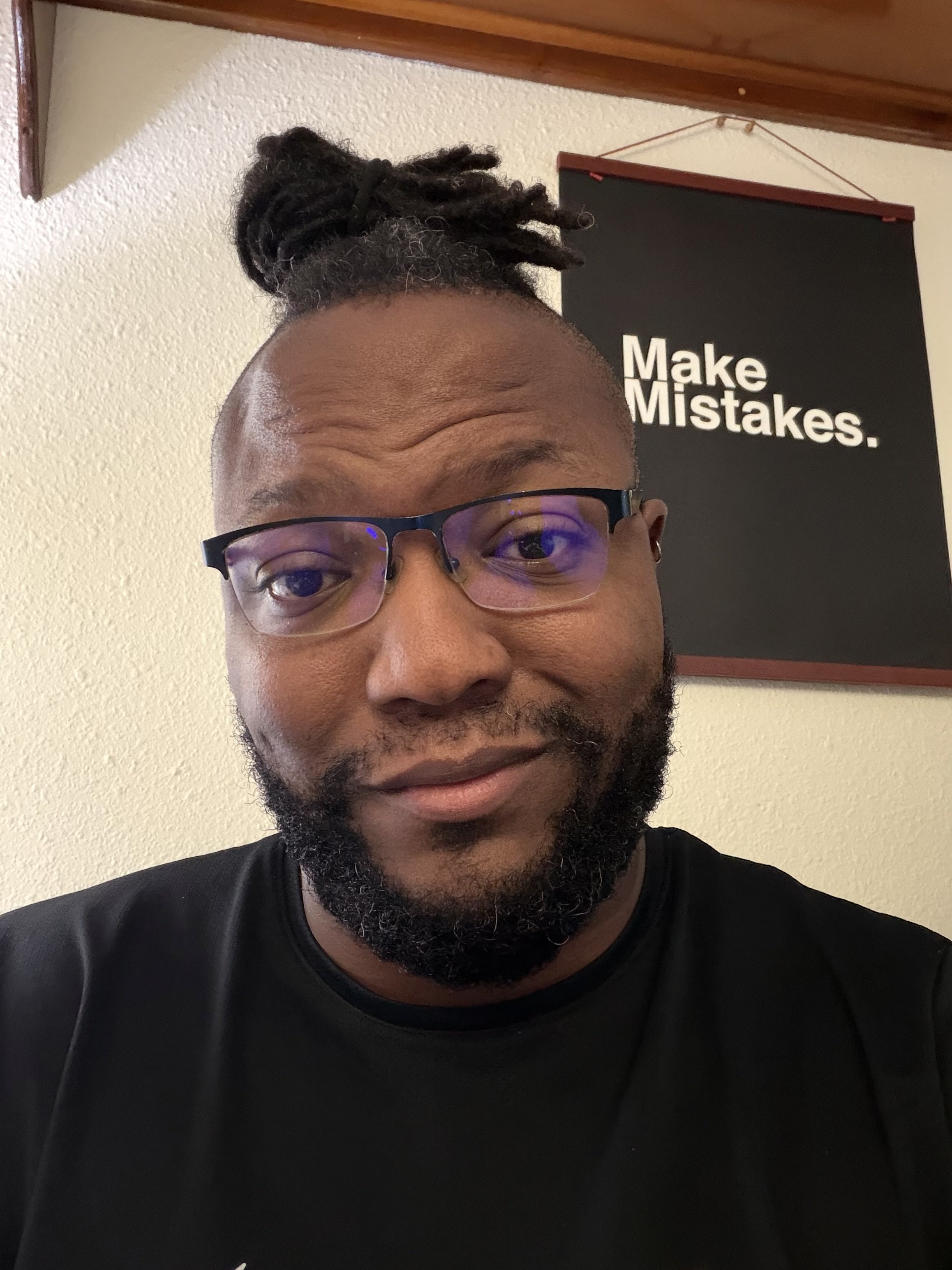
Joseph (Jae) Harris Johnson
I explore the atmospheric and architectural connections between filmmaking and policymaking across post-2005 France in relation to the phenomenon of colorblind racism. My research interests include POC filmmaking, affective atmospheres, architectural design, cultural production, and critical discourse studies. Additionally, I hypothesize that both filmmaking and policymaking are both artistic processes that can author socially significant fictions. Beyond my research, I aim to pursue a career outside of academia in either the museum sphere or film festival world.
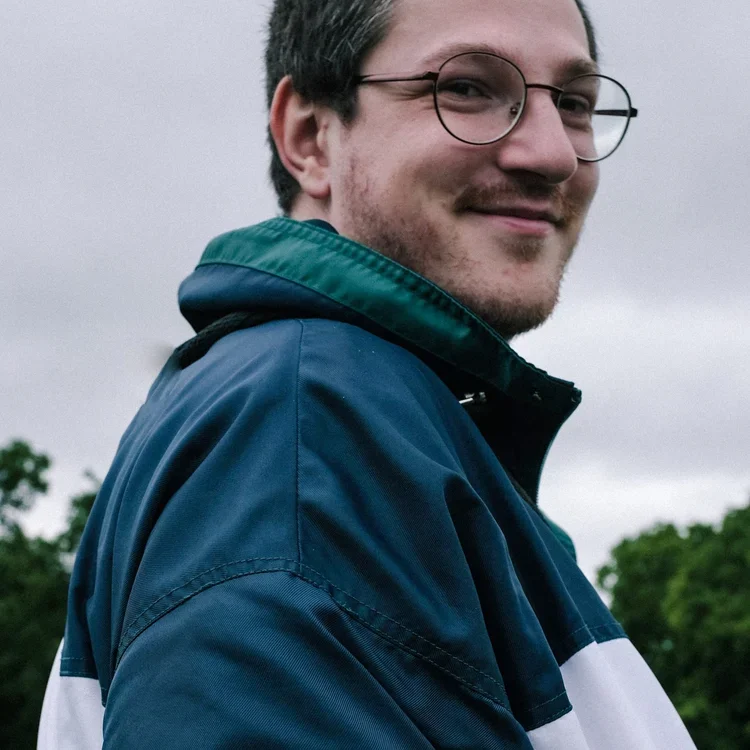
Eneos Çarka
Eneos Çarka graduated from DocNomads Masters on Creative Documentary and he is currently a PhD candidate and Annenberg Fellow in Cinema and Media Studies at the University of Southern California. His films have screened at numerous festivals, galleries, and cultural events such as IDFA, FIPADOC where he received Tënk Award, HotDocs, Thessaloniki International Film Festival, GoShort, Festival dei Popoli and more. He received the FIPRESCI Award in 2023 and served as a Jury Member in the IDFA Competition for Youth Documentary in 2022. Since 2020, he curates the documentary programs for Tirana International Film Festival.
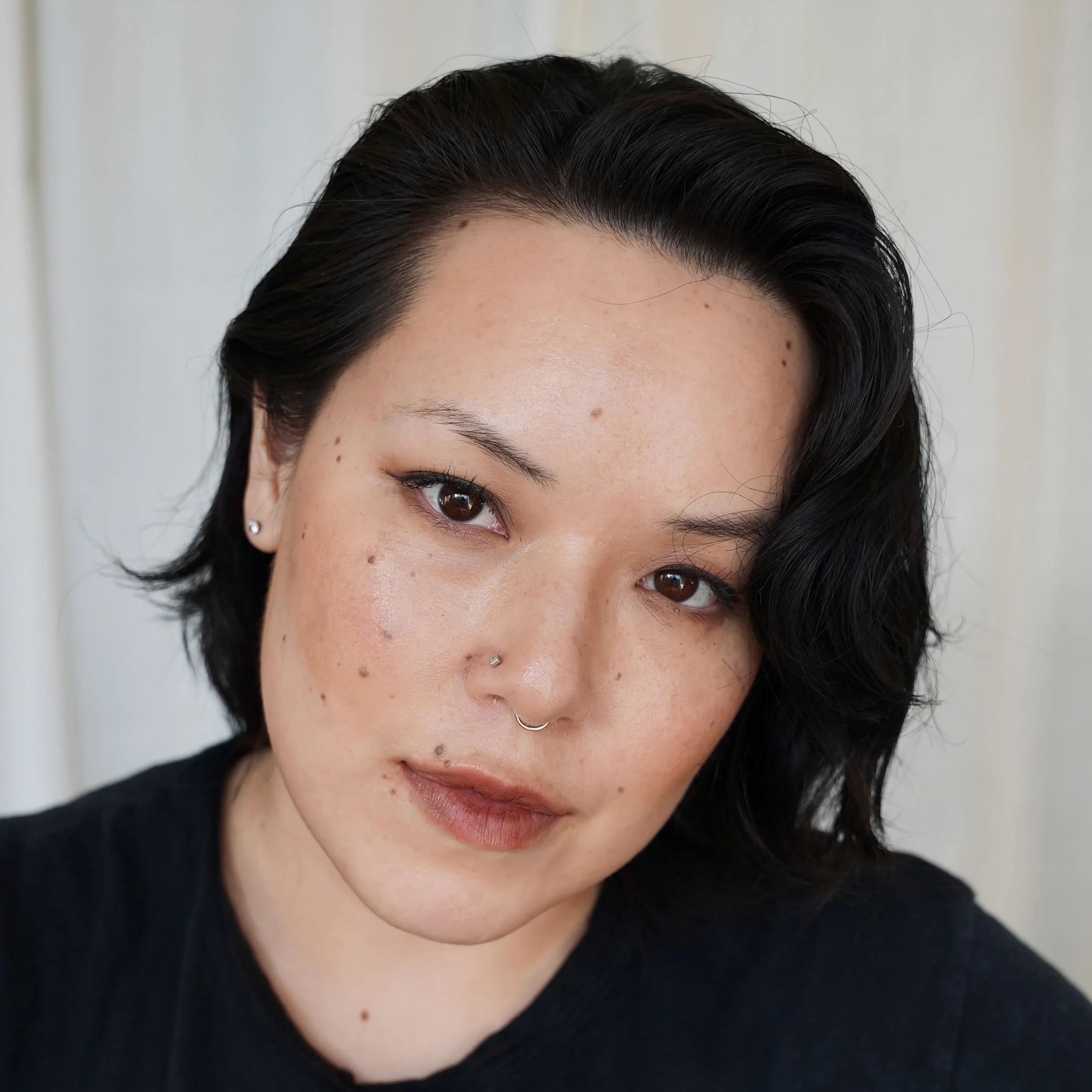
Marissa C de Baca
Marissa C de Baca is a 4th Year PhD Candidate in Cinema and Media Studies at the University of Southern California. They received an MA in Film and Media Studies from Columbia University and a BFA magna cum laude from the Maryland Institute College of Art. Their dissertation project examines the intersection of Asian racialization and computation through queer and women of color feminist cultural productions. Their research interests include Queer of Color Critique, Environmental Media, Transpacific Studies, Asian American Studies, and Digital Aesthetics.
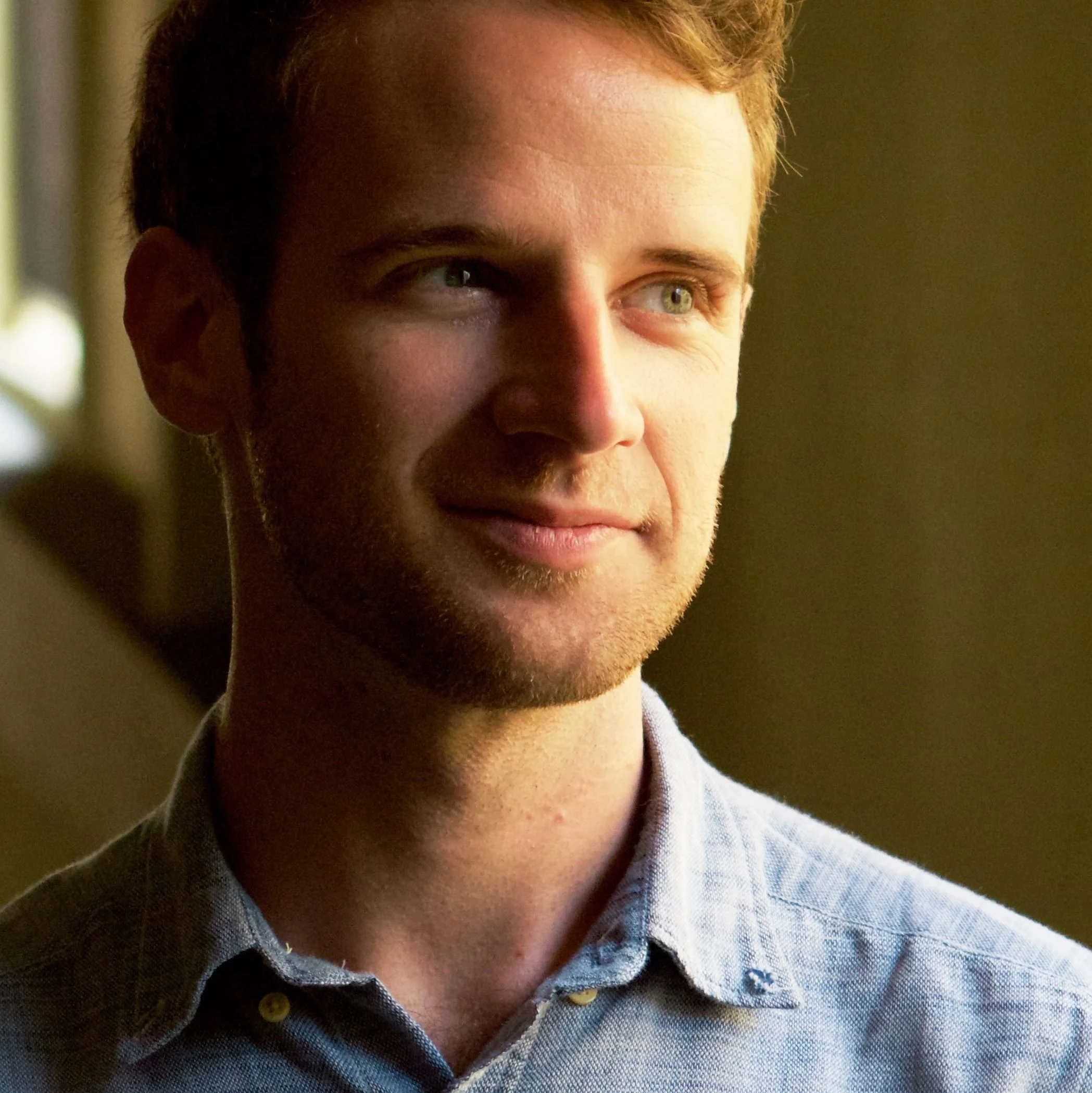
Max Berwald
Max Berwald is a PhD student in cinema and media studies at the University of Southern California. His research focuses on media and the US-China relationship, with a special interest in security discourses and militarism. He has lived, worked and studied in Beijing, Hong Kong and Taipei.
Sebastian Wurzrainer
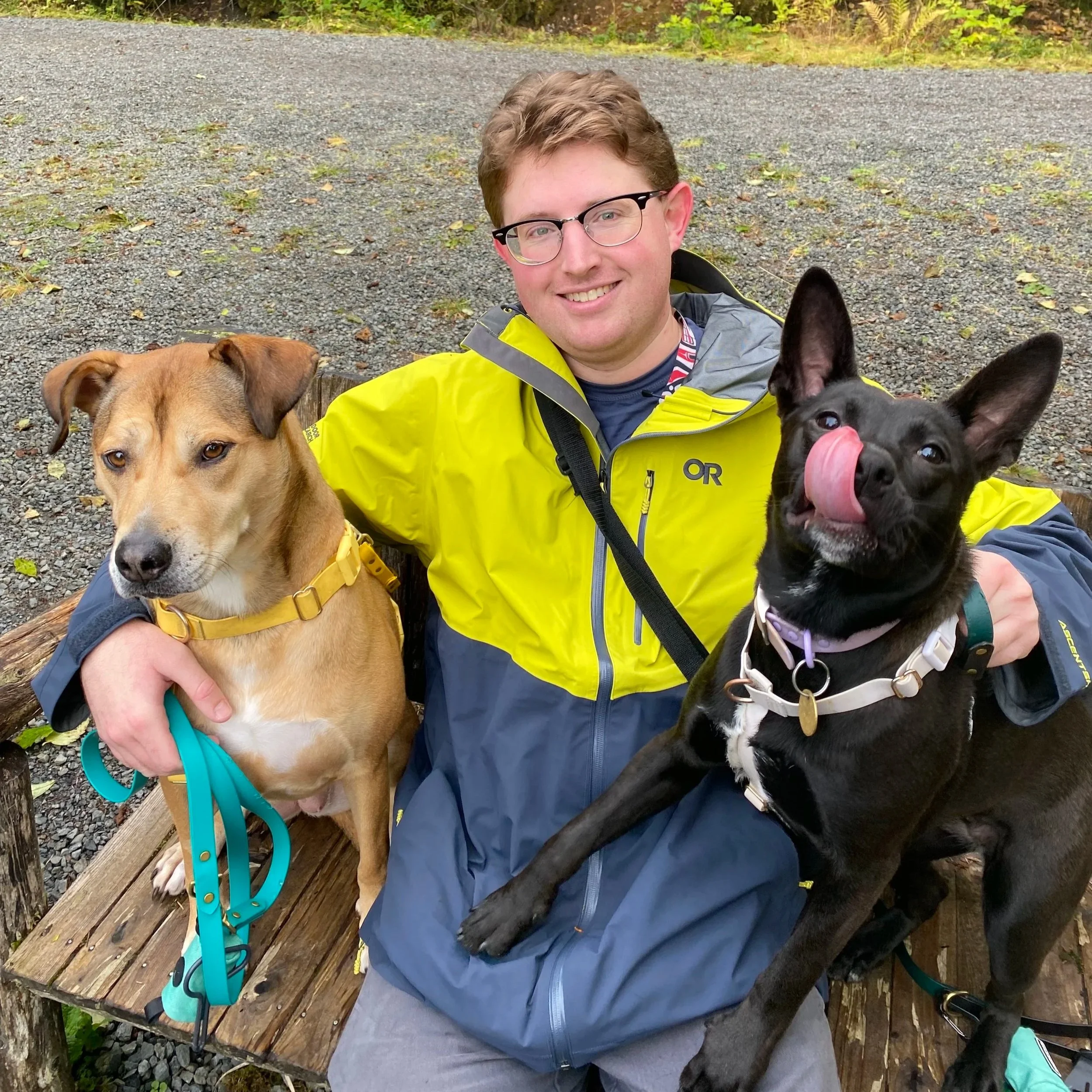
Sebastian Wurzrainer is a settler scholar and PhD candidate in cinema and media studies at The University of Southern California. He has received bachelor’s and master’s degrees in cinema and media studies from Dartmouth College and USC respectively. His research considers the fraught ways in which Hollywood films translate and refract the incommensurability between the sovereignty of the settler state and the sovereignty of Indigenous nations. He is particularly interested in how Indigenous actors, filmmakers, and spectators use recent works of Hollywood speculative fiction to assert and enact varied forms of Indigenous sovereignty. Sebastian is currently working on his dissertation, tentatively titled “Mediating Sovereignty: Hollywood Speculative Fiction and Narratives of Indigenous Survivance.” He has published reviews and articles in the Journal of Native American and Indigenous Studies and Spectator. He has also written chapters for the forthcoming anthologies Skoden, Stoodis! Critical and Creative Perspectives on Reservation Dogs and Handbook on the Global Civic Imagination.

Tania Sarfraz
Tania Sarfraz is a PhD candidate in Cinema and Media Studies at USC. Working across deconstruction, film and media aesthetics, and theories of unworlding, her research asks how aesthetic discourse produces us as speaking subjects. Her project pursues this question across a set of lost, poorly preserved, and degraded instances of “world cinema” as well as postwar American experimentations in the concept of a “site.” Her work has appeared in the media aesthetics special issue of “communication + 1.”
Alexandra Petrus
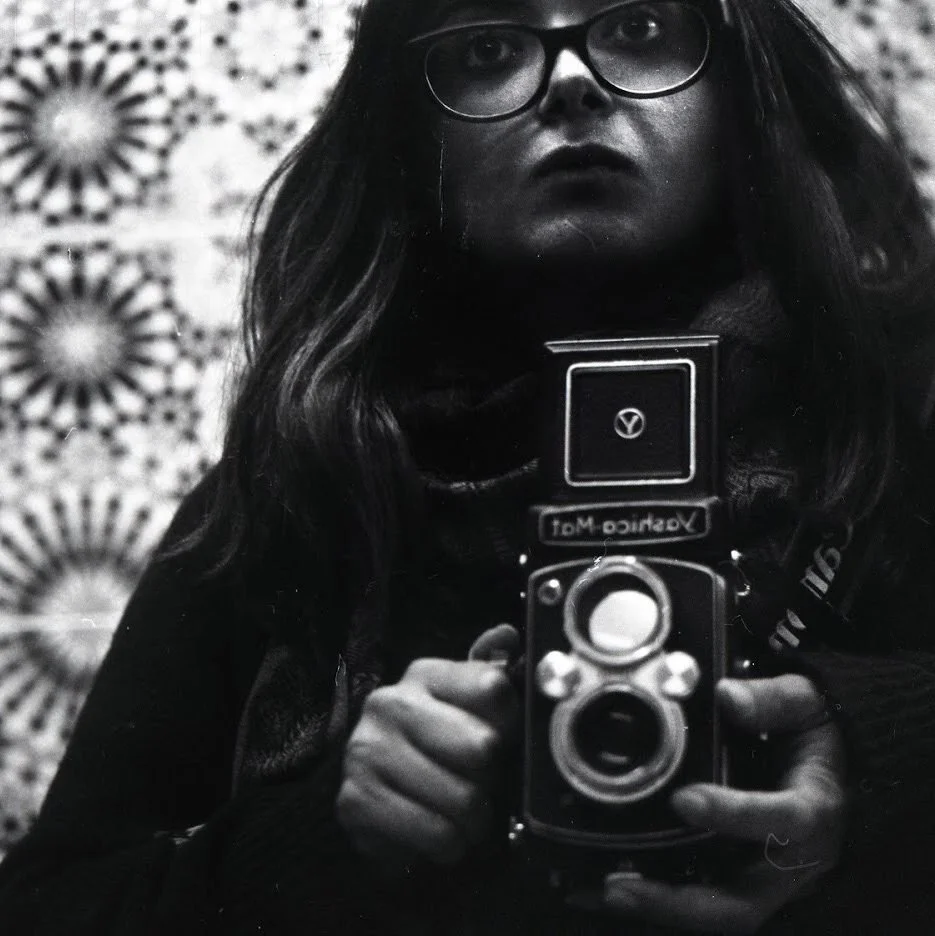
Alexandra Petrus is a PhD student in Cinema and Media Studies at the University of Southern California by day, and a game developer and filmmaker by night. Her scholarship resides mostly in interactive media and its intersections with historiography, sociology, and activism, performed through a hybrid of research, technology, and art. She received her MA in Game Development and Research at the Cologne Game Lab (Technische Hochschule Köln) in 2021 and her BA in Film Production (Directing) and German Studies from California State University, Long Beach in 2017. She is co-founder and CEO of Achtung Autobahn Studios, a games studio specializing in social-realist games. With funding from the Film- und Medienstiftung NRW, she oversaw the development of Berlin Maniacs, an action/adventure game that narratively and procedurally explores the escalation of violence that occurred during the 1968 student protest movement in West Berlin. She also was Program Manager for the BA and later MA program at the Cologne Game Lab, teaching Media Studies courses and advising thesis projects. Since 2017, she has worked as an animation artist on documentaries and campaigns for non-profits such as PBS and the ACLU. She is currently co-producing a documentary about endometriosis and is developing a multimedia installation that complicates ideologies of femininity and motherhood through stories of end-of-life care. Her developing dissertation consists of a research-led practice toward developing a “mid-apocalypse farming game,” experimenting with procedurally shifting environments and the dynamic forms that labor and leisure take on a dying planet.

Julia Rose Camus
Julia Rose Camus is a PhD student in the Division of Cinema and Media Studies at the University of Southern California. She holds a BA in Cinema and Media Studies and Anthropology from the University of Chicago, an MA in Cinema and Media Studies from USC. Her dissertation research considers the ethics, erotics, and poetics of AI-generated art. In addition to her academic work, she is also a photographer and media artist, and more of her work can be found on her portfolio www.juliarosecamus.com.
Eileen DiPofi
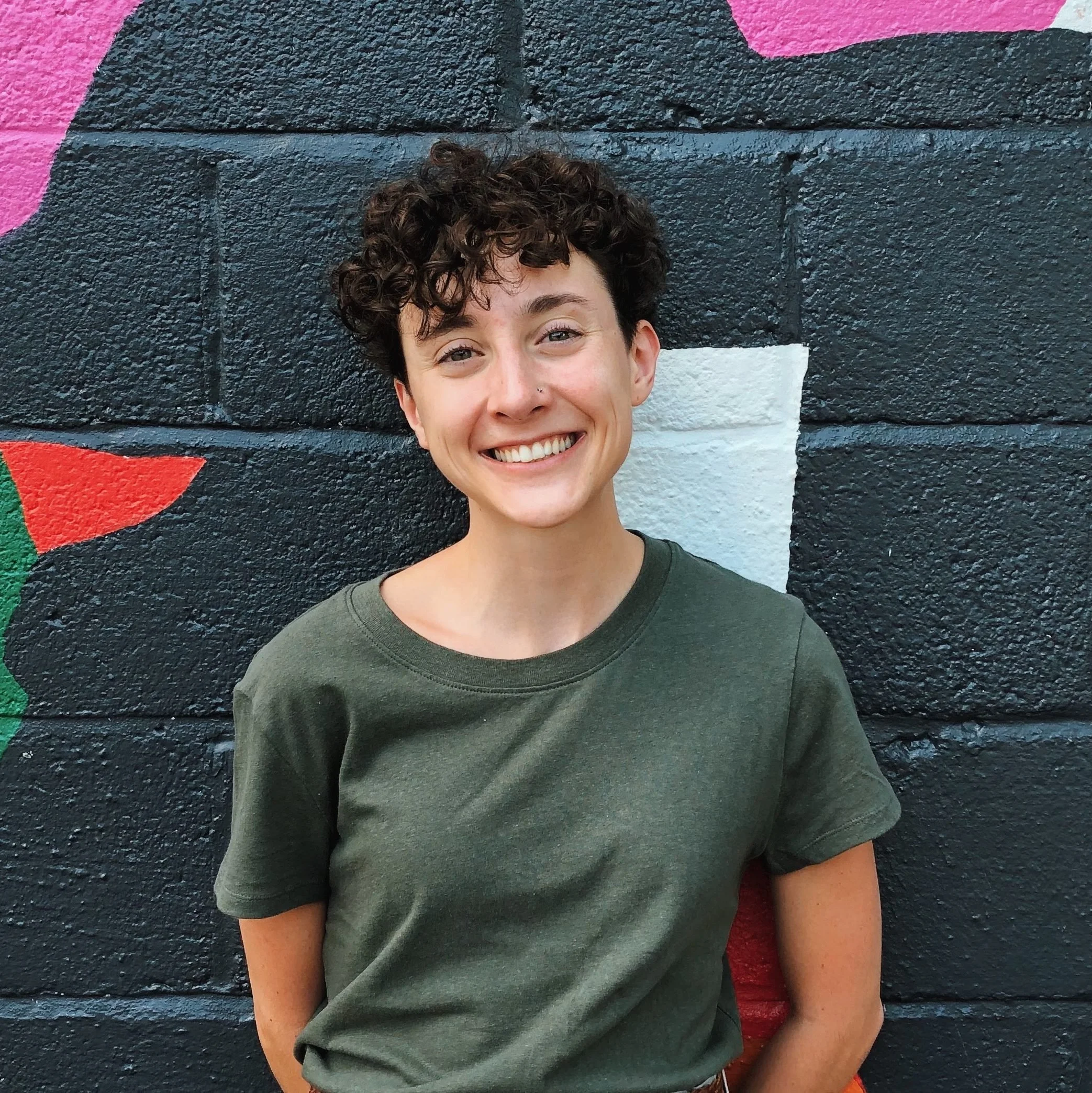
Eileen DiPofi is a PhD student in the Division of Cinema and Media Studies at USC. She studies performance in early American cinema, with a particular focus on how contemporary discourses of race, gender, and sexuality inform the emergent styles and techniques of Hollywood film acting. Eileen holds a BA in Film, Television, and Theatre from the University of Notre Dame and an MA in Cinema and Media Studies from USC.
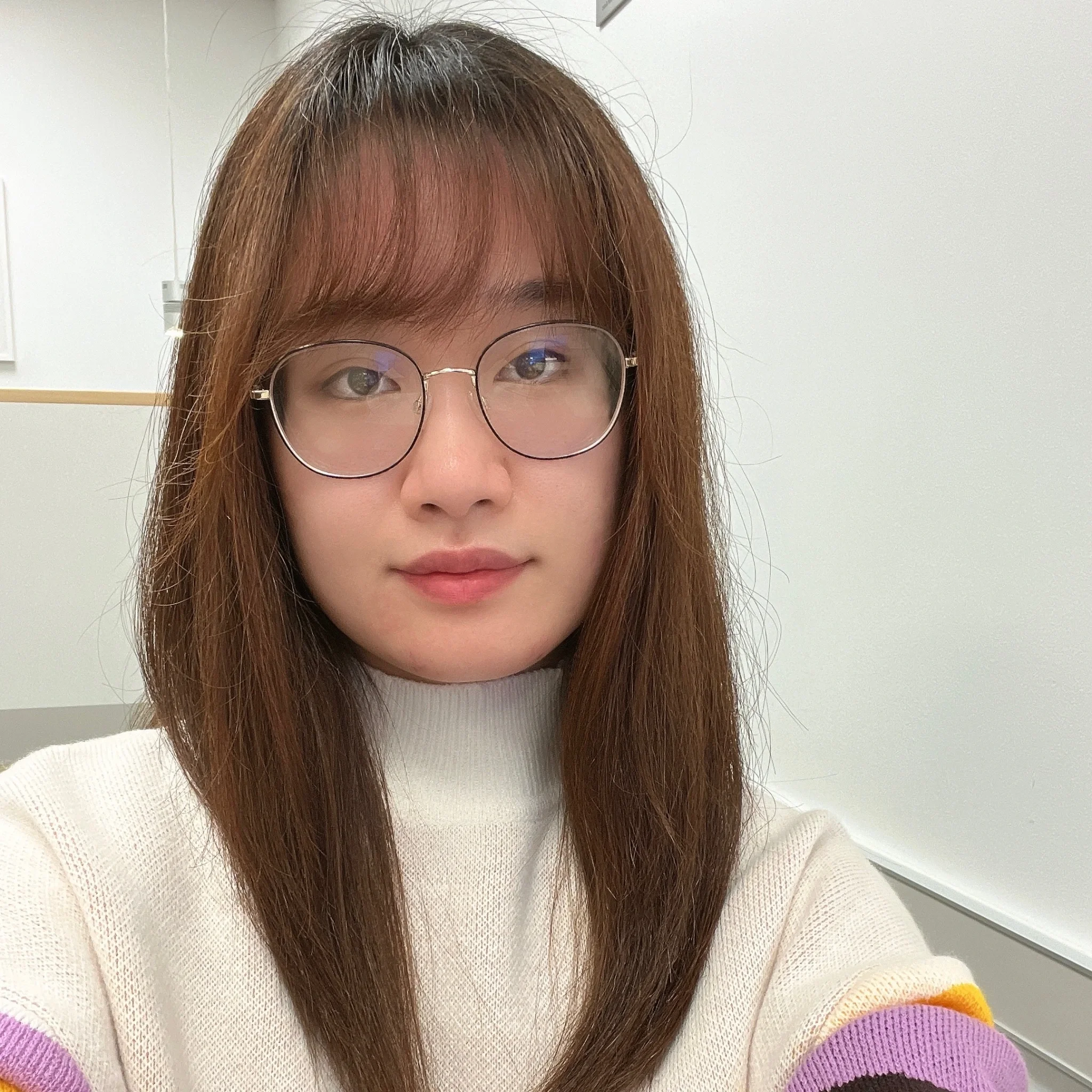
Celeste Oon
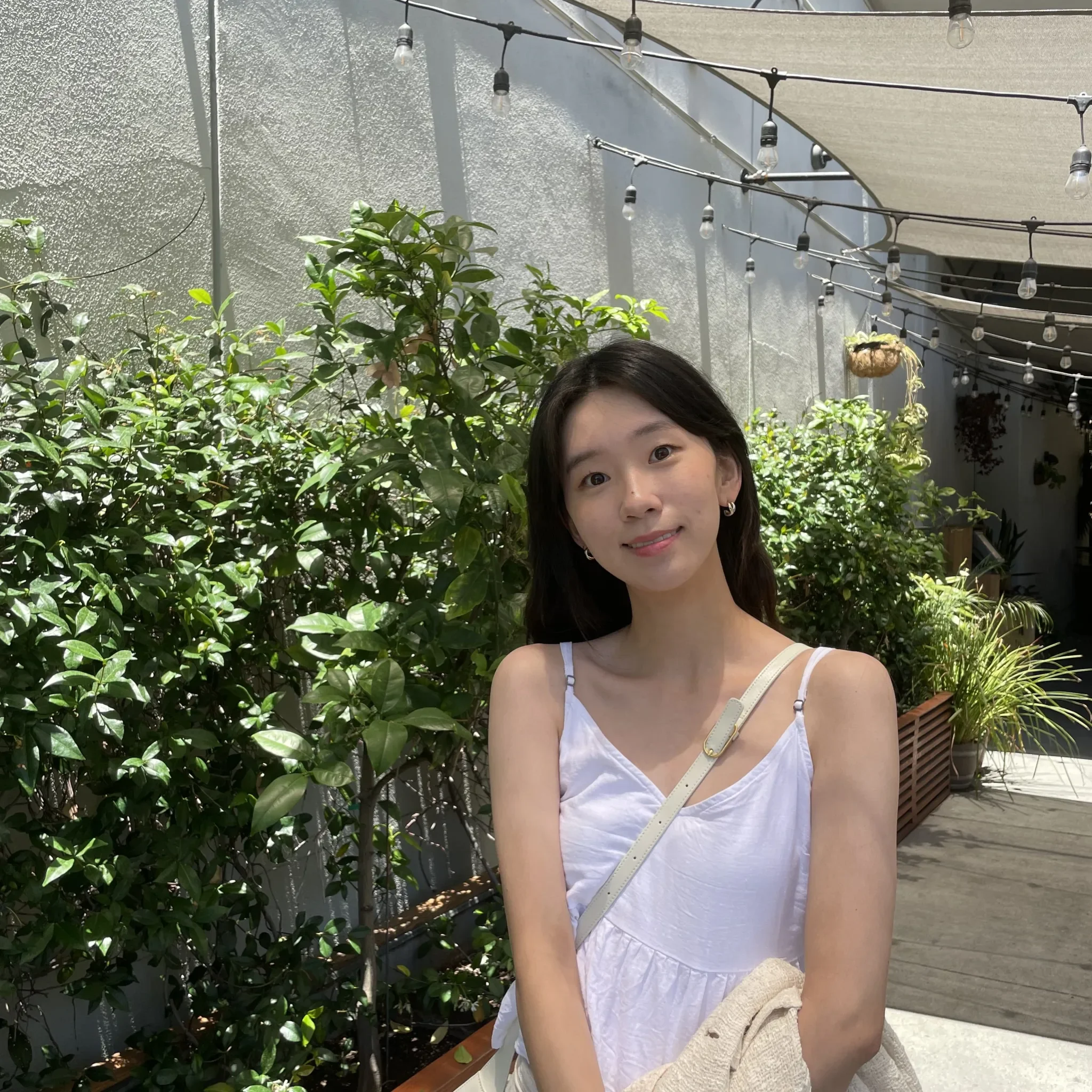
Celeste Oon is a PhD student in Cinema and Media Studies at the University of Southern California. A self-proclaimed internet connoisseur, she specializes in technocultures and online communities, with particular interest in creators and influencers. With core methodologies rooted in ethnography, discourse analysis, and STS, her work bridges gaps between internet/platform studies, celebrity studies, and audience/fan studies. Within the context of digital networks, Celeste investigates information flows, and the ways in which users negotiate power/intimacy and interact with technological interfaces. She has previously presented at conferences for the Society for Cinema and Media Studies and the Association of Internet Researchers, and her work has been published or is forthcoming in Transformative Works and Cultures, The International Journal of Communication, and The Routledge Companion to Media Fandom. Alongside her scholarly work, Celeste freelances in industry spaces, running the gamut from marketing/PR to community management and trust and safety. In the non-profit sector, she interned for the ACLU in Artist and Influencer Engagement, where she mobilized celebrities for social change.
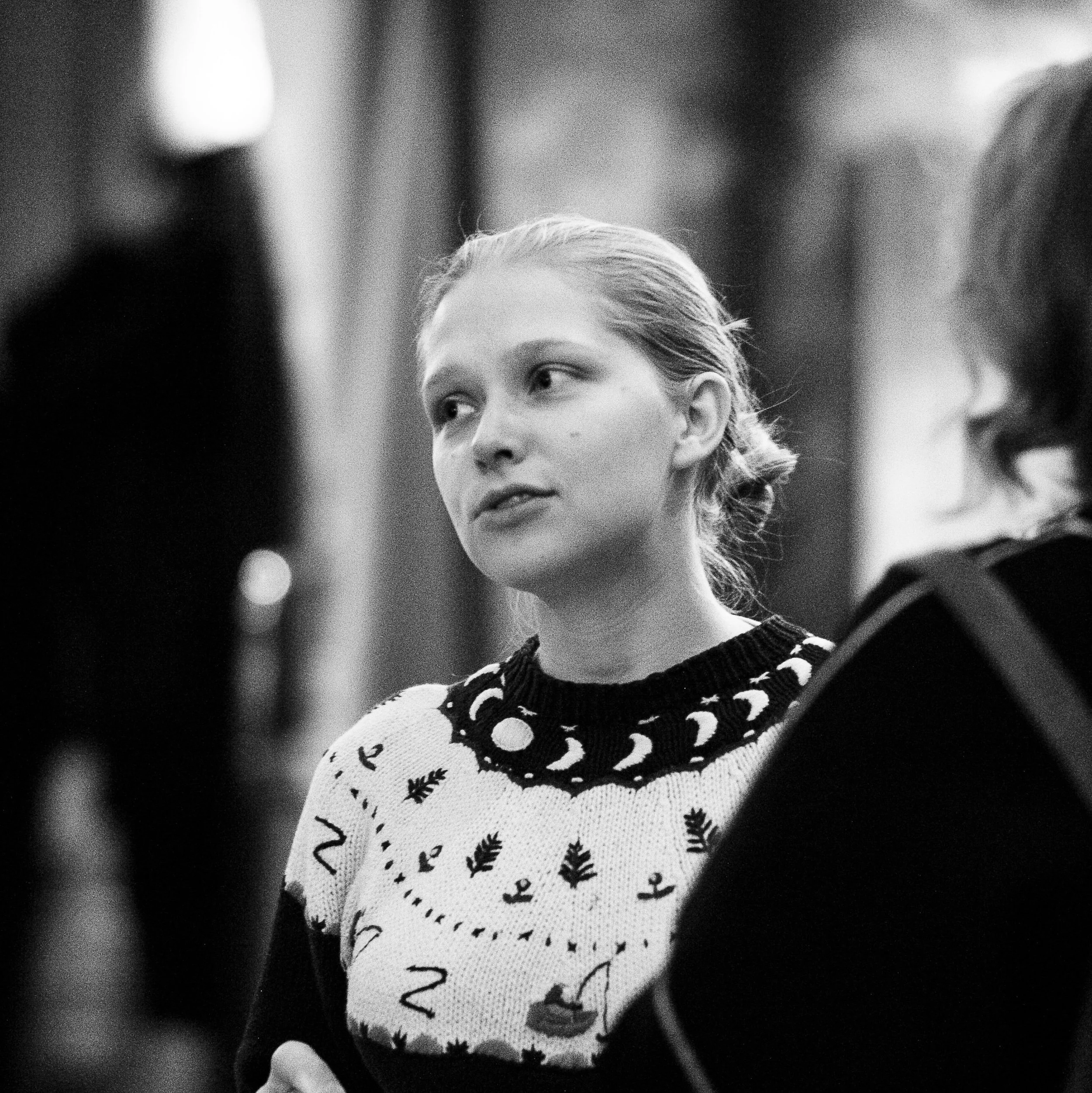
Vlada Lodesk
Vlada Lodesk is a PhD student at USC School of Cinematic Arts with an interest in personal documentaries, essayistic, and experimental film practices. She holds a Master’s degree from Indiana University, where her practice-led research was focused on the cinematic techniques employed by accented filmmakers to create visceral experiences of displacement, and a BA in liberal arts and sciences from St. Petersburg State University.
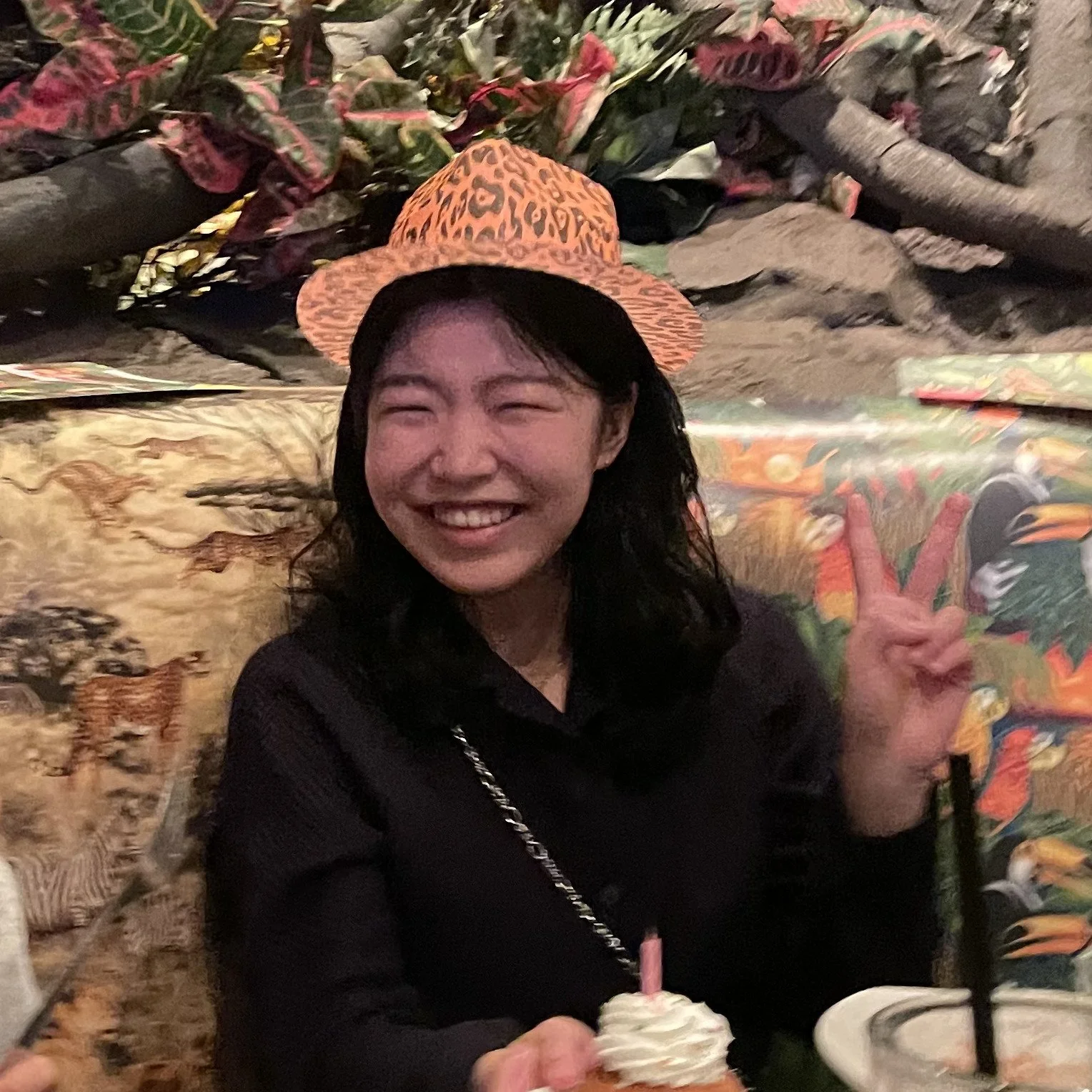
Minji Kim
Minji Kim is a PhD student in the Division of Cinema and Media Studies at the University of Southern California. She holds an MA in Cinema and Media Studies from USC and a BA in Cinema Studies from the Korea National University of Arts. Her research interests encompass documentary and non-fiction films, environmental media studies, and oceanic & island studies. Focusing on the islands across the Pacific such as Jeju in South Korea, she looks at the relationship between each island’s media landscape and the history of imperialism, militarism, and extractivism. She is the recipient of the 2025 Jonathan Kahana Writing Award from the SCMS Documentary SIG, and the 2024 Patricia Zimmermann Fellowship from Visible Evidence.
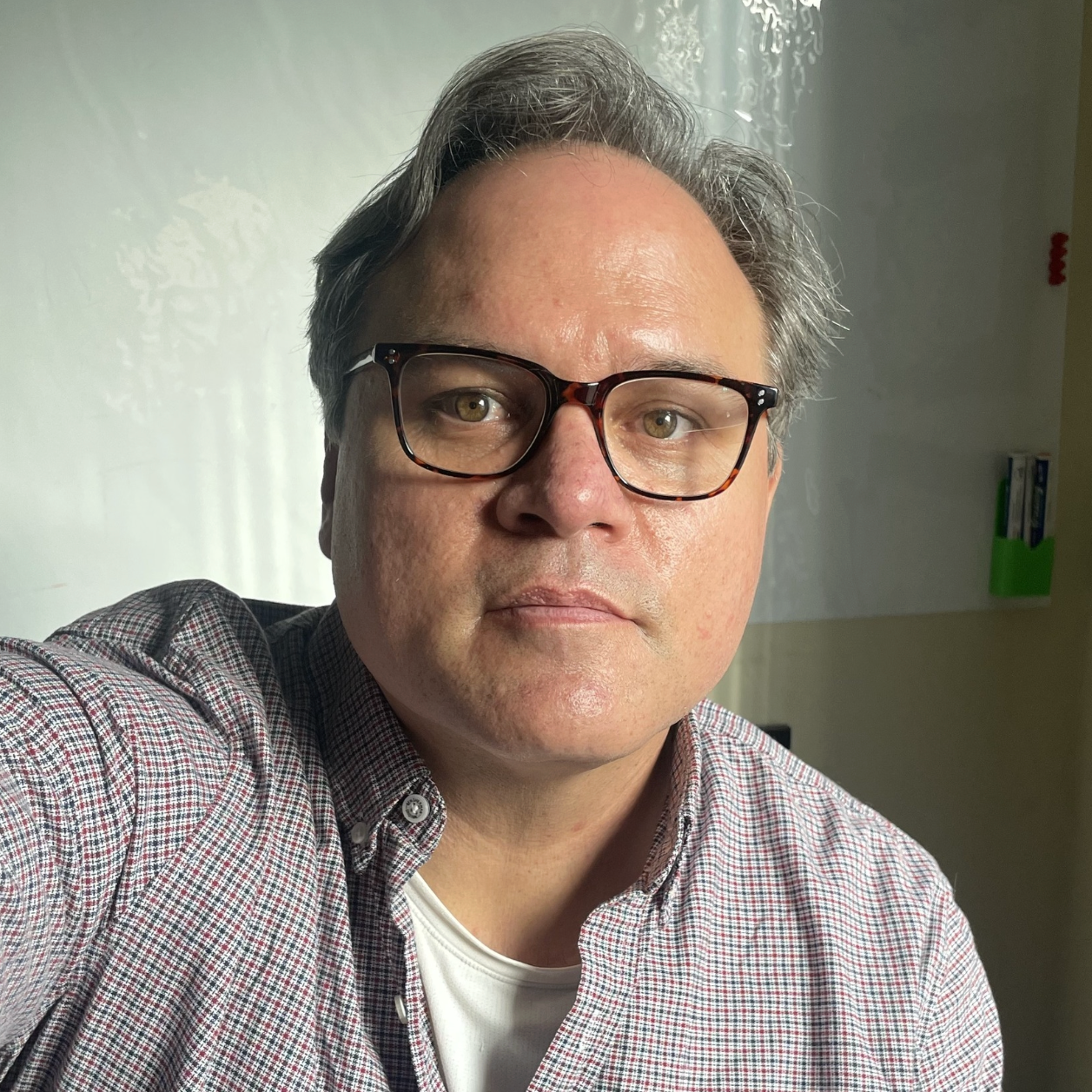
Cale Epps
Cale’s research focuses on the interplay of politics, culture, and narrative form. His interests intersect media industry studies, cultural studies, production studies, television studies, critical cultural policy studies, and the social sciences. Currently, Cale investigates Hollywood’s industrial impact on local production communities in the U.S. Southwest, state film incentive legislation, state film commissions and offices, and how these elements coalesce to reconfigure regionally associated genres and vital aspects of civic life. Cale holds an M.A. in Cinema and Media Studies from USC, B.A.s in Film (Film and Media Studies) and History from Arizona State University, and a Post-Graduate Certificate in Filmmaking from the London Film School (Term 178).